Why Fans Are Trading Fictional Characters for Real Celebrities — and What That Actually Costs
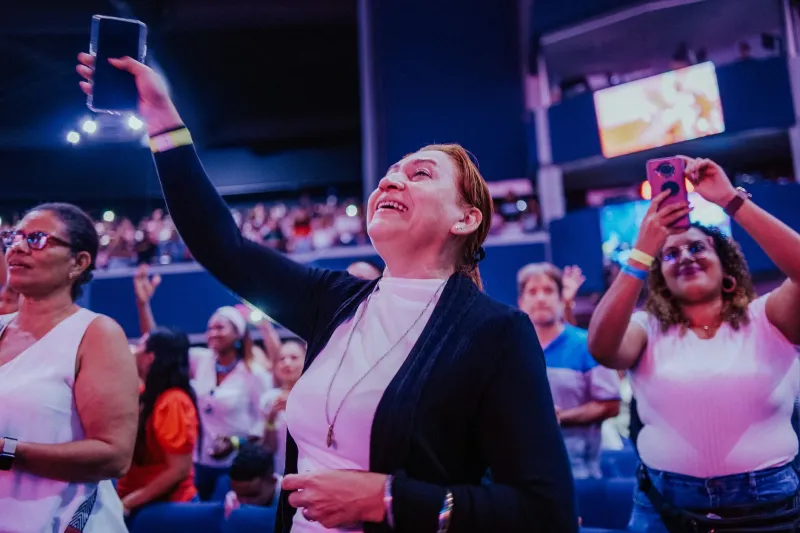
There used to be a pretty clear line between loving a fictional character and loving the person who played them. Not anymore. Somewhere in the last decade or so, that line dissolved — and what replaced it is a landscape where the most intense fan communities aren't organized around shows, films, or games, but around individual real human beings: musicians, YouTubers, streamers, actors who have become larger than any single role, athletes who function as cultural figures first and athletes second.
This isn't just a trend piece observation. It represents a genuine structural shift in how fandom operates, who it serves, and what it demands from participants. And the traditional fictional fandoms that used to anchor online fan culture are starting to feel the displacement.
The Attention Economy Picks a Winner
Let's start with the obvious driver: social media platforms are built to make real people more compelling than fictional ones. A character from a TV show doesn't post. They don't go live. They don't have opinions about current events or respond to fan tweets or get photographed at airports. A celebrity does all of those things, constantly, generating a continuous stream of content that a fictional character simply cannot compete with in terms of raw engagement volume.
When you add algorithmic amplification into the mix — platforms actively surfacing content that generates emotional responses, and celebrity drama being one of the most reliable generators of emotional response that exists — you get a structural advantage for parasocial celebrity fandom that fictional fandoms can't match on pure platform terms.
BTS built one of the most dedicated fan armies in modern history not just through music but through a relentless content ecosystem — Vlive streams, behind-the-scenes footage, social media presence — that made fans feel like they had genuine access to real people. Taylor Swift's Swifties decode album lyrics, track Easter eggs, and analyze her relationships with an intensity that rivals any Sherlock Holmes fan theory community. These are not casual audiences. They're deeply invested communities with their own internal culture, language, and social hierarchies.
But the nature of that investment is different from what fictional fandom has traditionally asked of people — and the difference matters.
The Class Angle Nobody Wants to Talk About
Here's something that doesn't get discussed enough: parasocial celebrity fandom is expensive in ways that fictional fandom historically was not.
Loving a TV show used to mean buying the DVD set, maybe a t-shirt, going to a convention if you could afford it. The barrier to meaningful participation was relatively low. Fan fiction was free to write and free to read. Fan art circulated freely. The community's center of gravity was accessible to people across a pretty wide economic range.
Celebrity fandom has a very different economic structure. Concert tickets for major artists routinely run hundreds of dollars after fees — and that's if you can even get them before resellers gut the inventory. Meet-and-greet packages can cost thousands. Merchandise drops are timed and limited in ways that favor people who can buy immediately without checking their bank account. Streaming subscriptions, Patreon tiers for influencer content, OnlyFans access, Cameo purchases — there are dozens of transactional layers between a fan and the celebrity they're invested in, and each one filters by economic capacity.
This creates something ugly: a fandom hierarchy where proximity to the celebrity — or the performance of proximity — becomes a status marker, and that status is largely purchasable. The fan who got floor seats and a VIP wristband has a kind of credibility that the fan who watched the concert on YouTube simply doesn't, and both parties know it. That's a different social dynamic than a fanfic writer earning community respect through the quality of their craft.
What Fictional Fandoms Are Losing
Traditional fictional fan communities built something genuinely interesting over the decades: creative cultures with their own economies of reputation that were largely decoupled from real-world wealth. The person who wrote the best fan fiction, created the most detailed wiki pages, or produced the most beloved fan art earned status through creative output, not purchasing power. That wasn't a perfect system — gatekeeping existed, and the communities had their own hierarchies — but the basic mechanism was meritocratic in a way that celebrity fandom increasingly is not.
As emotional investment migrates toward real celebrities, those creative traditions are losing participants. Why spend hours writing a 30,000-word fan fiction when you could be participating in a Twitter thread about your favorite artist's latest relationship drama? The former requires sustained creative effort and produces something that might be read by dozens of people in a niche community. The latter is immediate, social, and algorithmically rewarded.
This isn't to say fictional fandom is dying — it clearly isn't. The Harry Potter fandom, the Marvel fan communities, the anime world — these are still enormous. But the cultural energy that used to flow almost exclusively into fictional properties is now being split, and some of what's flowing toward celebrity fandom is not coming back.
The Parasocial Relationship's Uncomfortable Honesty
There's a strange authenticity argument that celebrity fandom partisans sometimes make: at least this is real. The person you're invested in actually exists. Their struggles are genuine. Their relationships have real stakes. You're not emotionally attached to a fictional construct — you're attached to a human being who is actually navigating a life.
That argument isn't entirely wrong, but it misses something important about what parasocial relationships actually are. The version of a celebrity that fans are attached to is as constructed as any fictional character — carefully managed by PR teams, filtered through social media curation, and shaped by the same kinds of narrative arcs that make fictional characters compelling. The intimacy feels real because it's designed to feel real. That's the product.
At least when you love a fictional character, everyone involved understands the nature of the relationship. The character isn't benefiting financially from your attachment in ways that might complicate the dynamic. The celebrity is — and the celebrity's management team, their label, their brand partners, and every platform that profits from your engagement are all very aware of it.
Where This Leaves the Fandom Landscape
The honest answer is that both things can exist. Parasocial celebrity fandom and traditional fictional fandom will continue to coexist, and plenty of people participate in both simultaneously. But the shift in where cultural energy is concentrated — and the economic structures that are emerging around celebrity fandom specifically — are worth paying attention to.
If the communities that were built on shared creative investment in fictional worlds are being replaced by communities organized around purchasing access to real people, something is being lost. Not everything, and not irreversibly. But something. The question is whether anyone in a position to care about that is paying attention — or whether the algorithm has already decided for all of us.