Franchises the Industry Forgot (But Fans Absolutely Did Not)
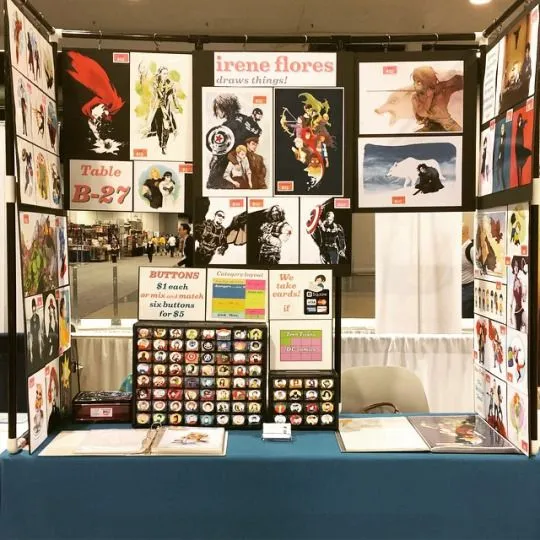
Photo: vintage fan art display table at small convention underground, via s-media-cache-ak0.pinimg.com
Somewhere in a convention center basement in Columbus, Ohio, a woman in a hand-sewn costume is selling prints of characters from a franchise that hasn't had official merchandise in over a decade. The prints are gorgeous. The line to buy them is longer than anything at the official pop culture booths upstairs. The studio that owns the IP has no idea this is happening, and honestly? That's probably for the best.
This is the underground economy of abandoned fandom, and it is thriving.
Every year, Hollywood makes the same miscalculation. A property underperforms at the box office, or gets caught in a merger, or loses its champion executive, and suddenly it's in the vault — officially dormant, practically orphaned. The assumption is always the same: audiences are fickle, and they'll move on. Sometimes that's true. But sometimes you accidentally create something that lodges itself so deep in people's identities that no amount of corporate neglect can dislodge it. And when that happens, fans don't wait around for permission to keep going.
What "Dead" Actually Means in Fan Terms
Let's be clear about something: when the industry says a franchise is dead, it means the profit mechanism has been switched off. No new films, no active licensing, no sanctioned content pipeline. What it doesn't mean — and what studios perpetually fail to account for — is that the audience is dead. Those are two completely different things.
Fandoms around properties like Firefly, Pushing Daisies, EarthBound, and the original animated run of Young Justice didn't dissolve when their official support dried up. They compressed. They went underground. They built structures that didn't require corporate infrastructure: fan wikis, archive repositories, zine collectives, convention circuits that specifically cater to "legacy" properties, Discord communities that have been running continuous lore discussions for years. The fandom doesn't need the studio. The studio is the one who needs to eventually realize what it's sitting on.
Firefly is maybe the most cited example of this in American pop culture, and for good reason. Canceled in 2002 after Fox aired episodes out of order and then pulled the show before the season finished, the Firefly fandom didn't just persist — it campaigned hard enough to get a theatrical film greenlit two years later. Serenity wasn't a massive commercial hit, but it happened. A dead show came back because fans made enough noise and bought enough tickets to a charity screening that Universal blinked. That's not nostalgia. That's organizing.
The Bootleg Economy Is Bigger Than You Think
When official merchandise disappears, fan-made goods fill the vacuum. This is not a new development, but the scale of it has grown substantially in the Etsy and Redbubble era. Artists who grew up with an abandoned property now have the skills and platforms to create professional-quality goods that often surpass whatever the original licensors were producing.
The legal situation here is genuinely complicated and varies wildly depending on how aggressively a studio chooses to police its IP. Some corporations — Nintendo being the most famously aggressive example — send cease-and-desist letters with the enthusiasm of a franchise player. Others, particularly those sitting on properties they have no near-term plans to develop, often look the other way. The calculus seems to be: if we're not making money off it anyway, is it worth the PR nightmare of shutting down the fans who are keeping the brand warm?
That last phrase — keeping the brand warm — is something you'll hear from fan organizers who have clearly thought about this strategically. They know that an active, visible fandom makes a property more attractive to future development deals. They're not just preserving something they love; they're making an argument, in the language of cultural relevance, that this thing still matters. It's advocacy through enthusiasm.
Why Studios Actually Fear the Resurrection
Here's the part that doesn't get talked about enough: corporate IP holders aren't always passive bystanders in this dynamic. Sometimes they actively resist fan-driven revival efforts, and the reasons are more cynical than you might expect.
First, there's the rights issue. If a property has been dormant long enough, the original creators — writers, artists, showrunners — may have retained or reclaimed certain rights, or at minimum have legal standing to make things complicated. An active fan ecosystem draws attention to a property, which can attract legal scrutiny that studios would prefer to avoid.
Second, and more fundamentally, a fandom that has successfully maintained a property without corporate help for a decade is a fandom that has demonstrated it doesn't need the corporation. That's a terrible negotiating position for the studio when they eventually do want to monetize that IP again. Fans who kept the flame burning have leverage, even if they don't always know how to use it.
The revival of properties like Animaniacs, Rocko's Modern Life, and Hey Arnold! on streaming platforms came after years of sustained fan demand — demand that was measurable because it had been expressed so loudly and consistently online. Streaming services could point to that engagement as evidence of an existing audience. But the fans who built that case got... the revival. Which they then had complicated feelings about, because that's how fandom works.
The Grassroots Convention Circuit
If you want to see what genuine fandom infrastructure looks like when it's been built without corporate scaffolding, find a convention dedicated to a property that hasn't had official support in at least five years. The energy is different. There's no marketing budget behind it, no studio presence, no celebrity guest whose appearance was negotiated by an agent. It's just people who love the same thing, many of whom have been loving it in relative isolation, finally in the same room.
These events — often small, often regional, sometimes operating out of hotel ballrooms or community centers — are where the real archaeology of fandom happens. Panel discussions that go deep on lore details. Fan film screenings. Art shows. Oral history projects where longtime fans document their experience of a property that mainstream culture has mostly forgotten.
It's the kind of thing that feels, honestly, more vital than most official fan conventions. There's nothing to sell you here except the thing itself.
And that's the throughline in all of this: the properties that survive corporate abandonment are the ones that meant something real to people — not as products, but as experiences. Studios can shelve a franchise. They cannot shelve what it did to the people who fell in love with it. That love goes somewhere, and more often than not, it goes underground, where it burns longer and hotter than anyone in a boardroom is prepared to account for.