The Billion-Dollar Underground: Fan Art, Bootleg Drops, and the Economy Nobody Is Taxing
Somewhere on Etsy right now, someone is selling a hand-painted portrait of a fictional character for $40. That same character appears on an unofficial enamel pin at a convention vendor table for $12. A resin figure of the same IP is listed on eBay for $200, made by someone who bought a kit from AliExpress and spent six hours painting it in their apartment. None of these transactions involve the studio that owns the character. None of them are likely to show up accurately on a tax return. And collectively, this kind of activity adds up to a shadow economy that's enormous, largely invisible, and structured almost perfectly to ensure that the people doing the most creative work see the least money.
This is the fan secondary market. It's worth discussing seriously, because almost nobody does.
What We're Actually Talking About
The fan merchandise ecosystem has a few distinct layers that tend to get lumped together when they're actually pretty different animals.
First, there's fan-made original work — commissions, prints, handmade goods, custom pieces created by artists who have developed skills specifically around beloved fictional properties. These people are often genuinely talented, have built real audiences, and operate in a constant low-grade state of legal anxiety because technically, most of what they're making infringes on someone else's copyright. Studios tolerate it until they don't, and the line between acceptable fan expression and actionable infringement is drawn entirely at the studio's discretion.
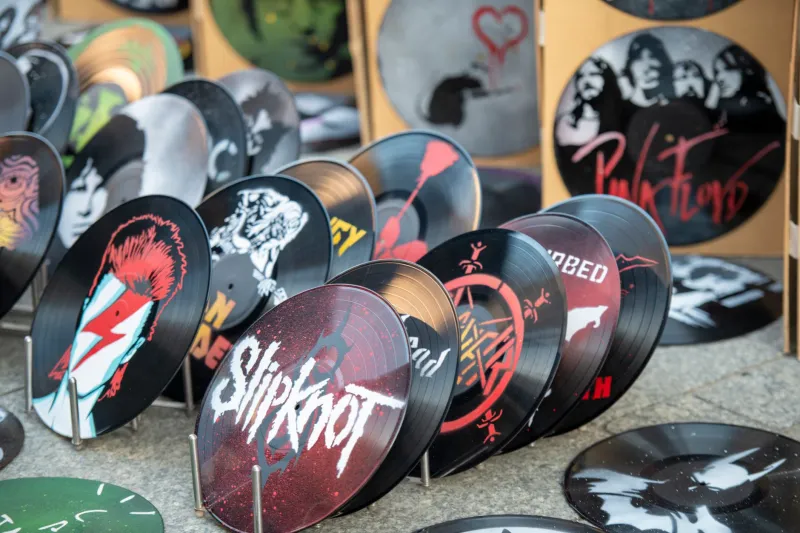
Then there's the unofficial collectibles space — items manufactured specifically to look like legitimate merchandise but produced without licensing agreements. This is where the AliExpress ecosystem lives, where counterfeit Funko-style figures and bootleg plushies flow from overseas factories into American living rooms via platforms that are very careful about how much they actually verify seller claims.
And then there's the resale layer, which is its own beast entirely. Limited drops from official sources — Supreme collabs, exclusive convention merchandise, numbered prints from licensed artists — get bought up immediately and relisted at two to five times the retail price. The people doing this aren't fans in any meaningful sense. They're running arbitrage operations, and they're doing it at scale.
The Artist at the Bottom of the Stack
Here's the part that should make people uncomfortable: the fan artists who are actually generating cultural value in this ecosystem are frequently the ones with the least financial security.
A skilled digital artist who has spent years building a following around a specific fandom might sell prints at conventions, take commissions through Ko-fi or Patreon, and post work that gets tens of thousands of engagements. That same work gets screenshotted, reposted without credit, printed on merchandise by third-party sites like Redbubble or Teepublic (sometimes without the artist's consent through automated systems), and occasionally stolen outright by overseas manufacturers who slap it on phone cases and sell them through Amazon storefronts.
The original artist sees none of that downstream revenue. They're often too small to pursue legal action even when infringement is obvious, too dependent on platform goodwill to push back aggressively, and operating in a space where the IP they're building on isn't legally theirs anyway — which makes it difficult to assert any ownership claim over their own creative execution.
Meanwhile, the platforms that host and facilitate all of this are doing fine. Etsy takes its cut. Redbubble takes its cut. eBay takes its cut. The logistics companies that ship everything take their cut. The value created by the artist flows upward through a series of intermediaries, and the artist is left hoping their Patreon covers their software subscription.
The Legal Gray Zone Is Load-Bearing
One reason this economy has grown so large without attracting more regulatory attention is that its legal status is genuinely complicated. Copyright law in the United States gives IP holders broad protections, but enforcement is expensive, selective, and inconsistent. Studios can and do send cease-and-desist letters to fan artists — it happens regularly, and it can devastate someone who's built their livelihood around a single fandom. But studios also generally understand that aggressive enforcement against fan creators generates terrible press and kills the community goodwill that makes their IP valuable in the first place.
So the tacit arrangement is: fan creators operate in the gray zone, studios look the other way unless something becomes too commercially visible or too legally problematic, and everyone pretends this is a stable situation. It isn't. It's a power imbalance dressed up as tolerance.
The bootleg and counterfeit layer is even messier. Platforms like Amazon and eBay have safe harbor provisions that limit their liability for third-party seller infringement, which means the burden of enforcement falls on IP holders who have to play whack-a-mole with listings while the platforms collect transaction fees. The manufacturers are usually overseas and practically unreachable under US law. The resellers are often operating as individuals who are difficult to pursue and easy to replace.
The IRS Doesn't Know This World Exists
There's a tax dimension to all of this that deserves at least a mention, because it's significant. A substantial portion of fan economy transactions are cash-based (convention sales), conducted through platforms with inconsistent 1099 reporting, or structured in ways that make income easy to obscure. The 2022 changes to 1099-K reporting thresholds — briefly lowered to $600 before being delayed — sent genuine panic through the fan artist community, not because anyone was doing anything deliberately criminal, but because many small creators had never thought of their convention table as a taxable business.
The resale layer is even more opaque. Someone flipping limited-edition drops for profit is technically running a business and generating taxable capital gains, but the IRS's ability to track and audit these transactions across multiple platforms and payment methods is limited. The underground isn't underground because it's organized crime. It's underground because it grew faster than any regulatory framework could follow.
What Fixing This Would Even Look Like
Honestly? Nobody has a clean answer. Fan artists have pushed for clearer safe harbor protections that would let them operate without constant legal exposure, similar to how some countries handle fan work more explicitly in their copyright frameworks. That's a reasonable ask that has gone essentially nowhere in US legislative conversation.
Some platforms have experimented with revenue-sharing models that try to bring fan creators into a more formal economic relationship with IP holders — but these programs tend to be narrow, heavily curated, and ultimately controlled by the studio, which means the power dynamic doesn't actually shift.
What's most likely to happen is nothing, at least in the near term. The gray zone is too useful to too many parties. Studios benefit from the cultural energy fan creators generate. Platforms benefit from the transaction volume. Resellers benefit from the arbitrage. The only people who don't particularly benefit are the fan artists themselves — and they don't have a lobby.